
.jpg)
.jpg)
Educational visits create opportunities for learners to gain more knowledge and hands-on practice outside the classroom. Touring through a museum, a humanitarian organisation, or a natural reserve gives students a chance to see classroom theory put into practice and motivates them to strive to do better in school and their chosen fields.
A successful school visit does not depend on just arriving at the destination. For teachers, there are curriculum planning, school budgets, parents’ permission, safeguarding requirements, and student engagement. With so much limited time and planning to do, organising a school visit can feel like another challenge to an already long to-do list.
With a planned educational visit, one can prepare, engage, and maximise post-visit experiences. Using the tips below, teachers can optimise their educational visits and give the learners a safe and engaging avenue to learn.

Define Your Learning Objectives
Educational visits must be aligned to a particular curriculum rather than giving the students entertainment, whether that’s art, geography, or natural reserves. Before organising any educational visits, determine what the students will learn from the process.
- What are the topics to be covered? Is it food technology, languages, or business studies?
- Why should there be a school visit? Are there practical experiences that cannot be learned in the classroom?
- What skills or experience will the students learn for their future academic work and career development?
Clearly defined objectives will guide the choice of the best destination for the educational visit.
Prepare Students Before Travel
Teachers should introduce the destination to the students and explain why it’s relevant and how they stand to benefit from it. Explore related concepts or watch a documentary video, and allow students to ask questions about the destination.
In the class, the teacher may also address the following issues:
- Learning itinerary
- Questions to be researched while at the destination
- Behavioural guidelines during the trip
- Importance of consent and contact information of parents
- Thematic vocabulary
In addition, teachers may assign worksheets or tasks for students when at the destination. This will give the school the opportunity to observe the students’ engagement and meet the objectives of the visit.
Check Safety Compliance and Risk Assessment
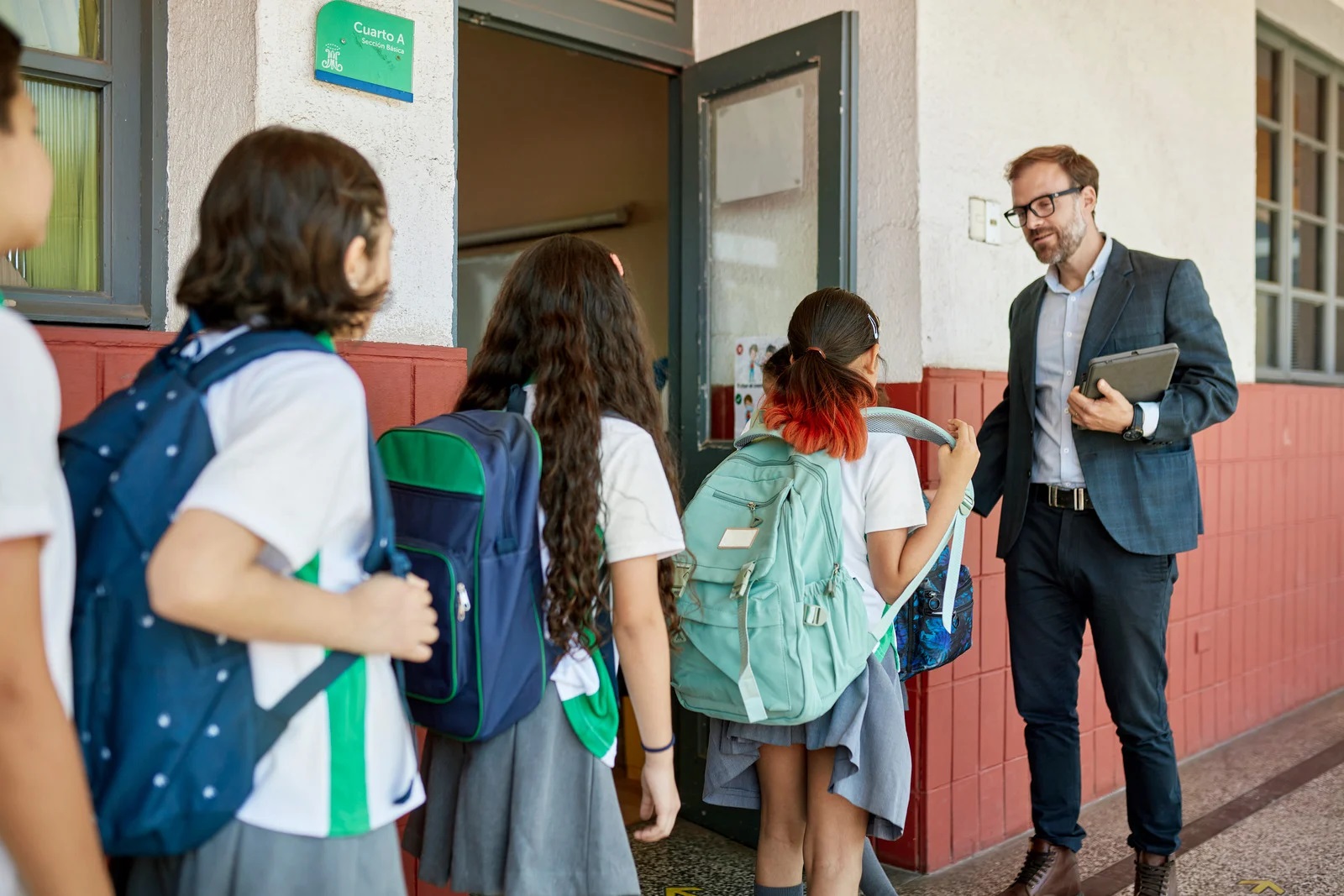
Your students’ health and safety should be a priority throughout the process. Conducting risk assessments and writing down safety compliance in advance can help identify potential hazards and establish solutions to counter them.
Include the following:
- Weather conditions
- Medical needs and emergency procedures
- Accessibility requirements
- Staff-to-student safety ratios
- Safety nets around the vicinity of the destination
- Transport and accommodation arrangements
- Contact numbers of parents
- Contact numbers of institutions for emergencies
Ensure that all personnel know their roles during the educational trip, and that students understand the safety guidelines beforehand. Staffing ratios can vary per school and educational visits. Check your school’s policies and procedures as well as other requirements needed before the trip.
Students should be briefed before a school trip, so they know how to stay safe and call a member of staff if they need help.
Encourage Active and Hands-On Learning on Educational Visits
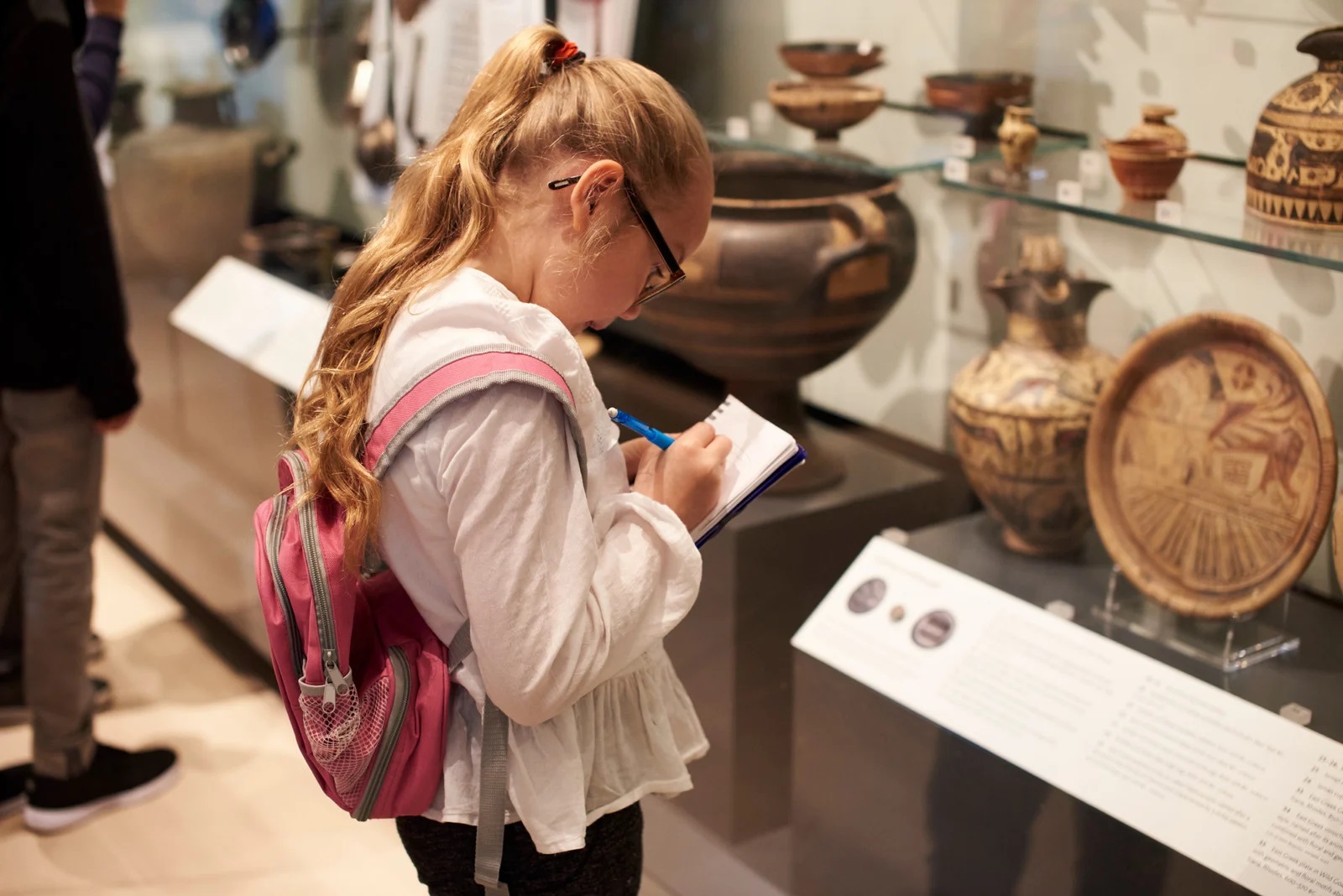
Educational visits are more effective when students take part in the activities the destination has provided them. Interactive activities and exhibits often help reinforce their knowledge and provide solutions to the problem, rather than passively receiving information.
Prepare worksheets and questions that allow students to:
- Ask questions
- Record observations and evidence
- Complete tasks
Work with venue educators or specialists to help create a mini curriculum aligned with classroom objectives during the trip.
Reflect on the School Trip Back to the Classroom
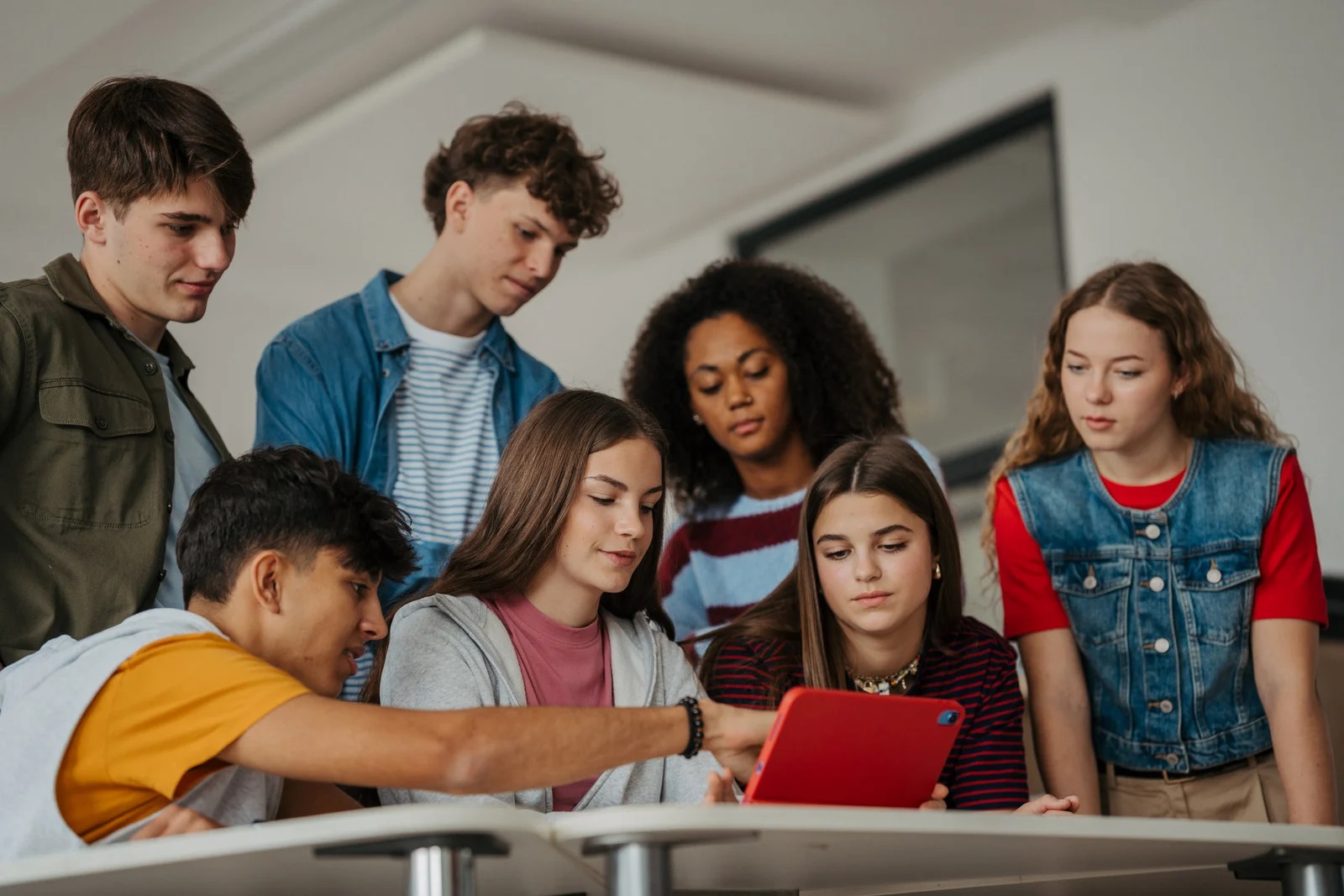
The value of an educational trip continues long after students return to school. Follow up on the activities to reinforce learning and application of skills acquired during the visit.
Great classroom activities include:
- Essay writing
- Creative projects
- Group tasks
- Class debates
- Exhibitions and documentary
Teachers can also revisit the learning objectives and evaluate whether they’ve been achieved or not.
Gather Feedback From All Involved
After the visit, gather feedback from all those involved in the trip, including:
- Students
- Teachers and personnel
- Parents
- School administrators
This is to ensure what worked well and identify areas for improvement. Also consider the logistics, budget, safety and health of students, and curriculum relevance for monitoring and learning.
Create lasting experiences with Interschool Travel
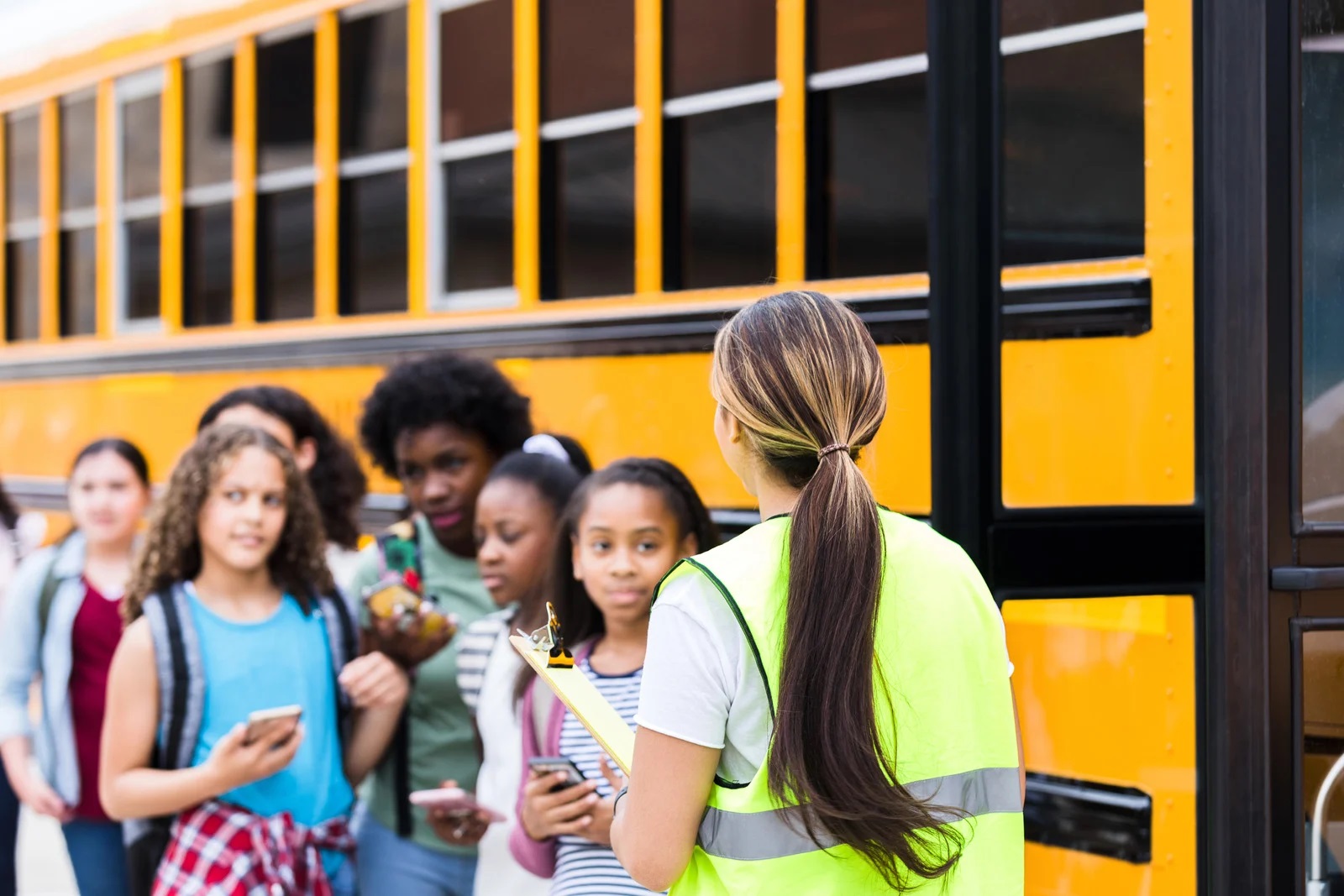
Educational visits are powerful experiences that reinforce learning not found in the classroom. Teachers can create memorable opportunities for students to hone their skills through careful planning and thoughtful activities.
For schools looking to organise curriculum-focused educational visits, Interschool Travel offers over 40 years’ worth of expertise in supporting and crafting school, college, and group educational experiences that are engaging, safe, and meaningful for teachers and students.
 Back to Blog
-image(700x470-crop).jpg)
.jpg)
.jpg)