
.jpg)
For many teachers, the school trip risk assessment is the part of planning that feels most exposed. It’s the document that goes to senior leaders and asks a simple question: have we planned this properly?
That pressure can make the process feel heavier than it needs to be, especially if you don’t organise trips regularly or you’re planning something more complex than a local visit.
In practice, a school trip risk assessment isn’t about predicting every possible problem. It’s about identifying foreseeable risks and showing that sensible measures are in place to manage them. This guide looks at what schools usually expect, where responsibility sits, and how to approach the process with confidence.
What a School Trip Risk Assessment Actually Is
A school trip risk assessment is a written record of the main risks linked to a visit and the steps in place to manage them. It doesn’t need to be complicated. In most cases, it outlines what could reasonably cause harm, who might be affected, and what control measures are already in place.
The emphasis is on proportionate planning. National guidance from the Department for Education makes clear that schools are responsible for ensuring visits are properly planned and that risks are assessed sensibly—not eliminated entirely.
The level of detail will usually depend on the type of trip. A short local museum visit will look very different from a residential abroad. What matters is that the assessment reflects the actual visit, rather than a generic template copied from elsewhere.
What Schools Are Usually Expected to Cover
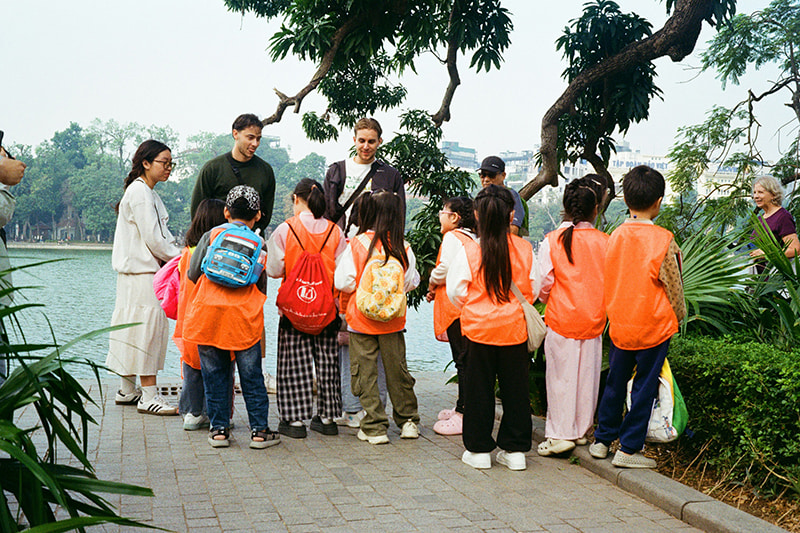
While formats vary between schools and local authorities, most school trip risk assessments cover the same core areas.
Travel and transport
How students are getting to and from the destination, including supervision during coach journeys, public transport, airports, or transfers.
Accommodation
Room allocations, staff supervision, fire procedures, and safeguarding arrangements—especially when students are staying away from home.
Planned activities
Any specific risks linked to the purpose of the trip, whether that’s a museum visit, a language immersion programme, a sports tour, or other subject-focused educational trips. Higher-risk activities naturally require more detail.
Medical and individual needs
Think about the students in front of you. Does anyone need medication? Extra supervision? Make sure that’s built into the plan.
Supervision and behaviour expectations
Clear staffing arrangements, meeting points, boundaries in busy public areas, and expectations set before departure.
For overseas school trips, you're dealing with new environments, longer travel days and systems that don't always work the same way as they do at home.
The aim isn’t to create a long list of unlikely hazards. It’s to show that the main risks linked to this specific visit have been identified and planned for.
Who Is Responsible for Risk Assessment on a School Trip?
This is the question that often sits in the background: Is this all on me?
In most schools, a trip leader is appointed to organise the visit and draft the school trip risk assessment. That person is usually familiar with the itinerary, student group and practical details.
However, responsibility does not sit with one person alone.
An Educational Visits Coordinator (EVC) or senior leader will normally review and approve the assessment before the trip goes ahead. Their role is to check that foreseeable risks have been identified and planned for.
Many schools also refer to guidance from the Outdoor Education Advisers Panel when planning more complex visits or residential trips.
This is also where working with an experienced provider can make the process more straightforward. At Interschool Travel, we provide safety information for transport, accommodation and organised activities as part of the planning process, helping schools complete their own risk assessments with clarity rather than guesswork.
In practice, risk assessment is a shared responsibility—prepared by the trip leader, reviewed by the school, and supported where appropriate by external providers.
Common Risks Teachers Worry About (And How They’re Managed)

When teachers think about school trip risk assessments, it’s often the “what if” questions that feel biggest.
What if transport is delayed?
What if a student becomes unwell?
What if someone gets separated from the group?
These concerns are normal—and they’re exactly why risk assessments exist.
In practice, most trips run smoothly because the obvious risks have already been planned for. Clear meeting points reduce the chance of students getting lost in busy public spaces. Updated medical information and medication plans help staff respond quickly if someone feels unwell. Staff briefings and agreed behaviour expectations reduce uncertainty in unfamiliar environments.
The aim is not to eliminate all risk, but to manage it sensibly. A risk assessment doesn’t guarantee that nothing unexpected will happen. It shows that reasonable steps have been taken to prepare.
Practical Next Steps for Teachers
If you're at the stage of writing or reviewing your school trip risk assessment, a few simple steps can make the process feel more manageable.
Start early
Begin drafting your risk assessment alongside the initial planning rather than leaving it until the final week.
Review previous visits
If your school has organised similar trips before, earlier risk assessments can provide a helpful structure and show the level of detail normally expected. For more on how planning can differ when visits are further afield, see our guide to school trips abroad.
Check for changes before departure
Transport arrangements, staffing, student numbers or weather conditions can shift. Take five minutes to read through it again before you go—plans change, and your risk assessment should reflect that.
Connect it to the wider planning process
Risk assessment should sit alongside how the trip supports curriculum goals, not separate from the rest of your planning.
One Final Point to Keep in Mind
A school trip risk assessment isn’t about producing a perfect document. It’s about showing that the visit has been planned carefully and that reasonable steps are in place to manage foreseeable risks.
Most schools are looking for thoughtful, proportionate planning—not pages of unnecessary detail. Seen that way, it stops feeling like a form to complete and starts feeling like part of good planning.
If you’re planning an upcoming trip and would like to talk things through, feel free to get in touch with our team at Interschool Travel. With over 40 years of experience supporting schools, we’re here to help make the planning process clearer and more manageable.
 Back to Blog
-image(700x470-crop).jpg)
.jpg)
.jpg)