
.jpg)
Biology is one of those subjects where some students struggle to picture what’s being described. Food chains, ecosystems, adaptation. It makes more sense when they can see it happening, not just imagine it from a page.
Biology field trips help with that. They change how students behave. They wander, they point things out, they ask questions you didn’t plan for. Instead of working from examples on paper, they are dealing with real things in front of them. That shift makes it easier for students to stay engaged and gives teachers a clearer way to connect classroom topics to real-world biology.
How Biology School Trips Support the Curriculum
Biology school trips fit naturally around what students are already learning. Topics like ecosystems, sampling methods, adaptation, and human impact are easier to understand when pupils can see examples in real environments. A coastal visit reinforces ideas around zonation, species distribution, and adaptation to changing conditions, while woodlands and freshwater sites link neatly to habitats, biodiversity, and ecological relationships, alongside the same fieldwork skills students are expected to use with less guidance later on.
In some cases, this kind of learning works especially well on a school trip abroad, where unfamiliar environments give students more to observe and compare.
Trips also change what lessons look like afterwards. Out in the field, students are collecting data, making observations, and talking things through as they go, often without realising they are doing formal practical work.
Biology School Trips for Outdoor Learning
Coastal Environments
A coastal field trip helps students understand how organisms survive in these environments. On an exposed shore, they deal with wind, uneven ground, and constant movement from the sea, while observing how living things adapt to these conditions.
Instead of focusing purely on physical features, students can explore rock pools, identify species, and see how organisms are distributed across the shore depending on factors like moisture, light, and exposure.
Trips also allow time for fieldwork. Students investigate species abundance, distribution patterns, and sampling techniques, while discussing how environmental factors influence what they find. For example, a school trip to Iceland makes it easier to link coastal erosion with wider physical processes, climate, and human response.
Woodlands and Forests
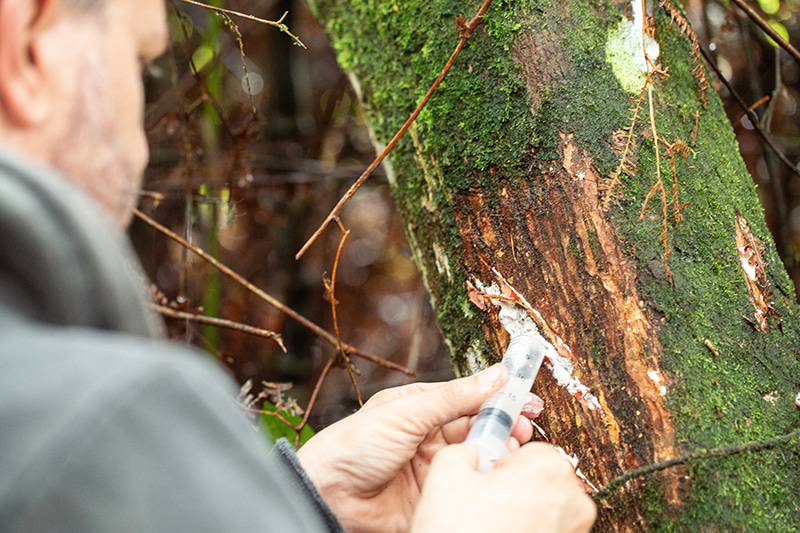
Woodlands and forests work well for eco-friendly school trips, giving students a quieter space to slow down and actually notice what's around them. They are easier to run with minimal impact, using the environment itself for learning rather than equipment-heavy activities. When students have time to look closely at plants, variation between species, leaf structure, and signs of adaptation start to stand out. The space allows them to think about food webs, interdependence, and how ecosystems change over time, without feeling rushed.
Freshwater and Wetland Sites
Freshwater and wetland sites tend to be very practical by nature. Students are working at the water’s edge, pond dipping, testing water quality, and recording what they find as they go. Small changes in water conditions directly affect which organisms are present, making it easier for students to connect abiotic factors like pH, oxygen levels, and pollution to biodiversity.
With indicator species, invertebrates, and plant growth in front of them, students have real things to compare. Noticing differences between areas or groups usually leads to broader questions about ecosystems and human impact.
Planning Considerations for Teachers
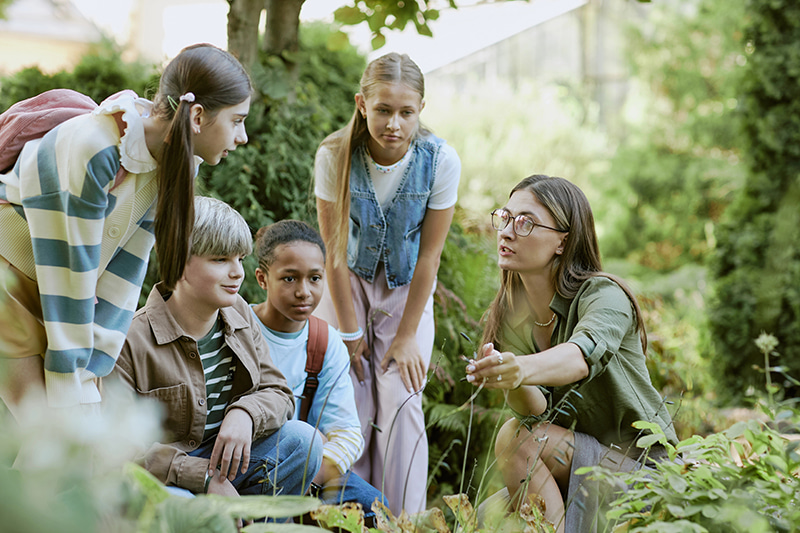
A bit of forward planning makes a big difference to how smoothly a field trip runs and what students get out of it.
- Time of year: what students can observe will change with the seasons, especially in woodland, coastal, and freshwater settings
- Weather and conditions: water levels, exposure, and ground conditions can all affect what's realistically possible on the day
- Focus for the trip: having a clear aim helps keep activities purposeful without trying to cover too much
- Practicalities: risk assessments, suitable clothing, and clear expectations help the day run more smoothly
Is a Biology School Trip Right for Your Group?
Biology starts to feel clearer when students are given the time and space to notice what’s around them. Watching how organisms interact, recording what they find, and talking it through on site helps turn theory into something real. Those experiences tend to stay with students far longer than anything learned from a diagram.
Interschool Travel has been supporting school trips for over 40 years, working closely with teachers to plan visits that fit the curriculum and run smoothly on the day. If you’re thinking about taking learning outdoors, get in touch and we’ll help you plan a biology school trip that works for your group.
 Back to Blog
-image(700x470-crop).jpg)
.jpg)
.jpg)