
.jpg)
.jpg)
Educational trips can sometimes change how a subject is understood. Seeing things outside the classroom often makes the topic easier to grasp. France offers plenty of opportunities for that.
In Paris, French is simply part of the day-to-day atmosphere. You hear it in cafés, on the metro, and in everyday conversations. Walking through historic streets or stepping inside a museum also puts familiar topics into a real setting rather than a textbook example.
Because of this variety, educational trips to France can support several subjects at once, turning a single visit into a broader learning experience.
Here are some of the ways a trip to France can bring different school subjects to life.
Why Paris Works So Well for Language Students
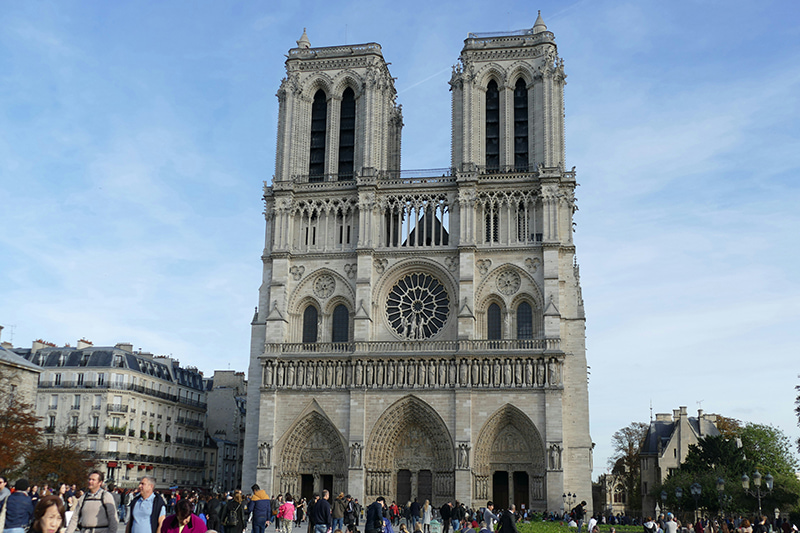
Language lessons often feel different once students arrive somewhere the language is actually being spoken. In Paris, French isn't something they practise only during lessons—it's what they hear around them throughout the day.
Students read metro signs, hear conversations in cafés, and start recognising words and phrases they’ve seen in class. Sometimes they try them out straight away, whether it’s ordering food, asking a simple question, or replying to someone in a shop.
This is one reason many schools organise a school language trip to Paris. Cultural visits also support language learning. Walking through Montmartre, seeing Notre-Dame Cathedral, or visiting the Stade de France gives students a chance to experience the city while hearing the language used naturally around them.
Learning About French History Through Historic Landmarks
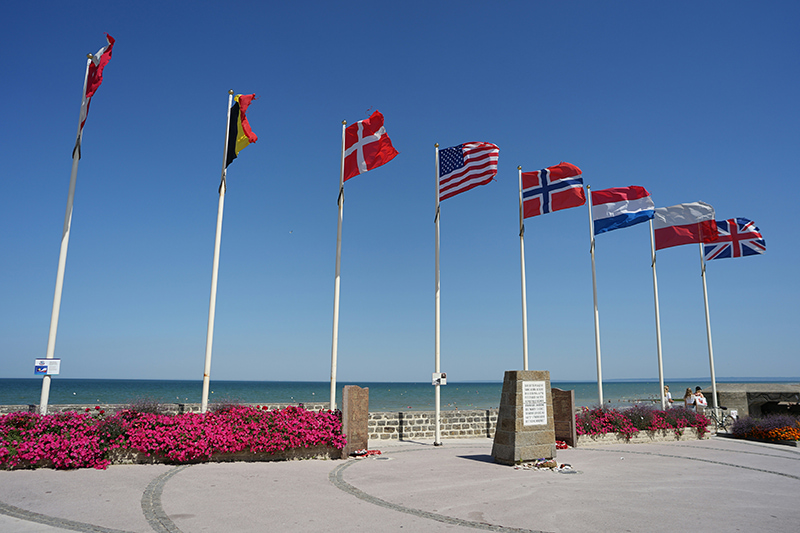
Northern France is often included in historical trips for school groups because many of the key locations linked to the D-Day landings are found here.
At Arromanches-les-Bains, parts of the old harbour structures can still be seen from the shore. They’re a reminder of the huge engineering effort that followed the D-Day landings and are often pointed out during visits to the area.
Not far away is Omaha Beach, one of the best-known landing sites from June 1944. Walking along the beach helps put the scale of the operation into perspective.
To understand what followed after the landings, the Museum of the Battle of Normandy provides exhibitions and artefacts that explain how the wider campaign unfolded across the region.
Exploring Art and Culture First-Hand
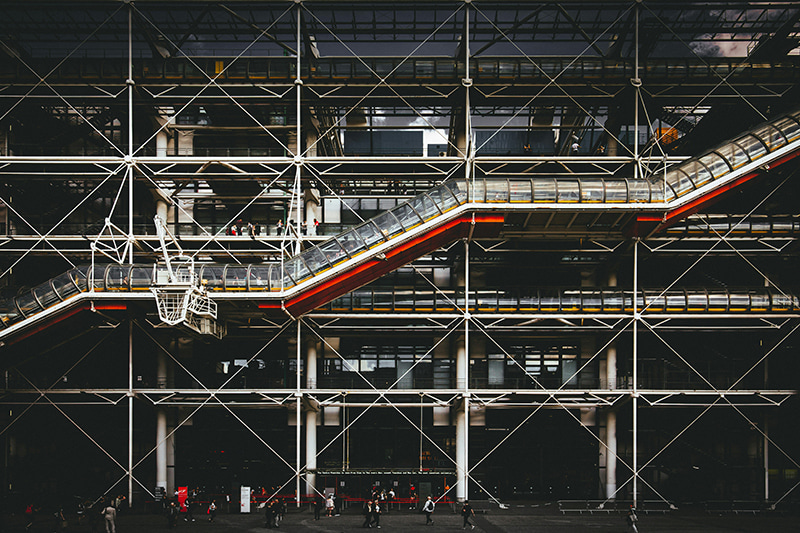
France has long been associated with art, architecture, and cultural heritage. Seeing these places in person often helps students understand the subject in a more practical way.
Many schools plan a school art trip to Paris because the city offers a wide range of cultural landmarks within a short distance of each other. The Centre Pompidou is one place where students can see modern and contemporary art up close. The Champs-Élysées and the Arc de Triomphe also give a sense of how Paris has been shaped by its architecture and city planning.
Other stops in the city highlight different parts of French culture. Choco Story, the chocolate museum in Paris, looks at the traditions behind chocolate making. Nearby Île de la Cité is one of the oldest parts of the city and still reflects the early history of Paris.
Science Beyond the Classroom
Paris also has several places where science is explored in a more interactive way. The Cité des Sciences et de l’Industrie, one of Europe’s largest science museums, covers topics ranging from technology and space to environmental science.
Schools looking at scientific trip locations often include the Marie Curie Museum, which focuses on the scientist’s life and research. The Palais des Découvertes is another stop in Paris. It regularly runs live demonstrations, where students can watch experiments being carried out in front of them.
Understanding Food from Source to Plate
Food is an important part of French culture, and it also offers useful learning opportunities for students. Exploring how ingredients are grown, prepared, and sold can help explain topics such as agriculture, nutrition, and food technology.
A school food technology trip to Paris often includes visits to local markets, where seasonal produce, breads, cheeses, and other regional foods can be seen being sold.
Cooking workshops at Le Cordon Bleu Culinary School or L’Atelier des Sens give students the chance to try basic techniques used in French cuisine. Groups also visit places such as Les Fermes de Gally, where farming and food production can be explored more closely.
Learning About French Traditions and Seasonal Celebrations
In some towns across France, seasonal festivals still play a big role in community life. Montbéliard is known for its Christmas market, Les Lumières de Noël. During the festive season, the market includes more than 170 chalets selling crafts, decorations, and local food. A Children’s Village and an Illuminations Walk are also part of the market.
Historic sites such as the Château de Montbéliard and Saint-Martin Temple are also part of the town. Both places reflect the long history of the area and are often included when groups visit Montbéliard.
Connecting Subjects Through One Trip
On educational trips to France, groups often move between different subjects during the visit. One day might involve language practice in the city, while another focuses on history or cultural sites.
Interschool Travel has been organising school trips for more than 40 years. We organise the travel, accommodation, and activities for the trip. That way, teachers don’t have to deal with the planning while they’re there with their students.
If you're considering educational trips to France, get in touch with our team to start planning your school trip.
 Back to Blog
-image(700x470-crop).jpg)
.jpg)
.jpg)