
.jpg)
.jpg)
When planning a school trip, the first thing to think about is where you want to go that will support classroom learning. Museums are particularly powerful because they provide students with the opportunity to engage directly with the people, discoveries and events they have been studying, making lessons more meaningful and memorable.
The best museums in Europe educate the visitor on many subjects, whether history, science, art or culture. Some museums can help bring classroom topics to life and create memorable educational experiences for students.
Louvre Museum
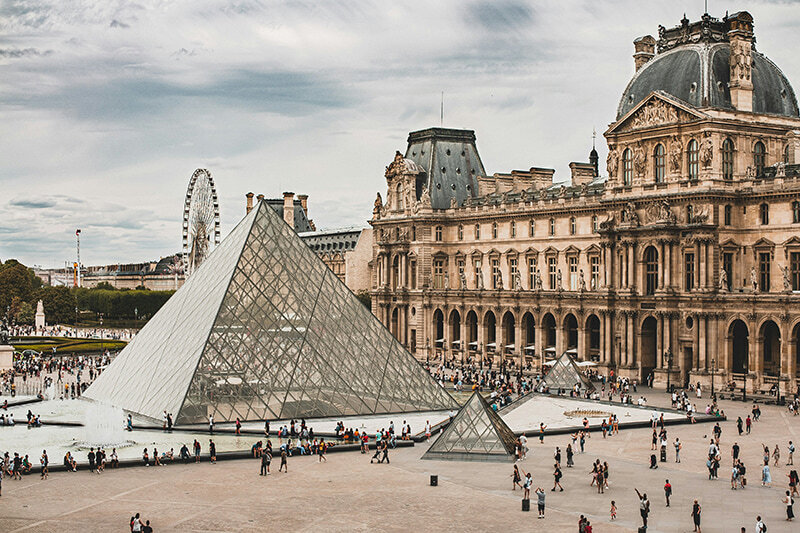
Home to one of the world's largest collections of art and antiquities, the Louvre brings together objects from ancient Egypt, Greece, Rome, and other civilisations that shaped the course of history. Rather than learning about ancient civilisations through dates and facts alone, students can see the objects those societies left behind.
There is plenty to explore beyond the museum's most famous collections. From paintings and sculptures to artefacts from ancient civilisations, the museum covers a remarkable range of history under one roof. Students might spend one moment looking at a Renaissance masterpiece and the next examining objects from Ancient Greece or Egypt. Like many educational trips to France, it offers a different way to engage with topics already being covered in the classroom.
British Museum
The British Museum gives students the chance to see how different societies approached everyday life, religion, leadership, and communication. Through artefacts from ancient Egypt, Greece, Rome, and other parts of the world, students can begin to understand how people lived thousands of years ago and how those societies shaped the world we know today.
Many of the museum's collections help bring classroom topics to life. Walking through the galleries, students can encounter objects linked to ancient Egypt, Greece, Rome, and many other civilisations. Seeing artefacts such as the Rosetta Stone in person can make familiar classroom topics feel more real and easier to place in context. It is one reason the museum remains a popular stop on educational trips to the UK.
Natural History Museum
The Natural History Museum is often best known for its dinosaur galleries, but there is far more to discover inside. Fossils, minerals, wildlife displays, and geological collections help build a picture of how the natural world has evolved and changed over time.
The museum supports topics across biology, environmental science, geology, and evolution. The variety of exhibits means students can move between different areas of science in a single visit, often finding connections between topics they might normally study separately in the classroom.
Anne Frank House
The Anne Frank House offers students a more personal perspective on World War II and the Holocaust. Walking through the secret annex where Anne Frank, her family, and others spent more than two years in hiding offers a very different perspective on the events of the Second World War.
For students studying history, Anne Frank's story provides a different way into the Second World War. The preserved rooms, diary extracts, photographs, and personal belongings help show how eight people lived together in a small hidden space for more than two years.
NEMO Science Museum
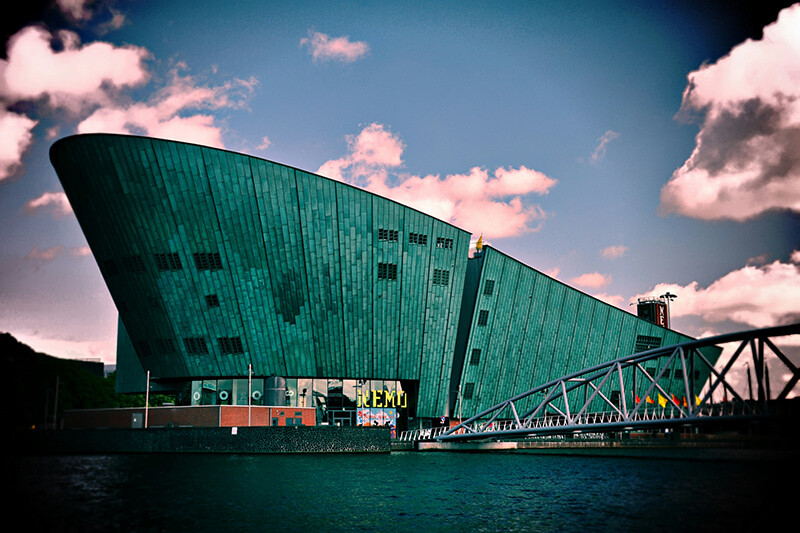
NEMO Science Museum gives students the opportunity to explore scientific concepts through hands-on experiments and interactive exhibits. Instead of moving from display to display reading information panels, students are encouraged to interact with many of the exhibits and see what happens for themselves.
Many of the exhibits are designed to spark curiosity and active participation. Rather than simply observing displays, students are encouraged to touch, test, and experiment as they move through the museum.
Van Gogh Museum
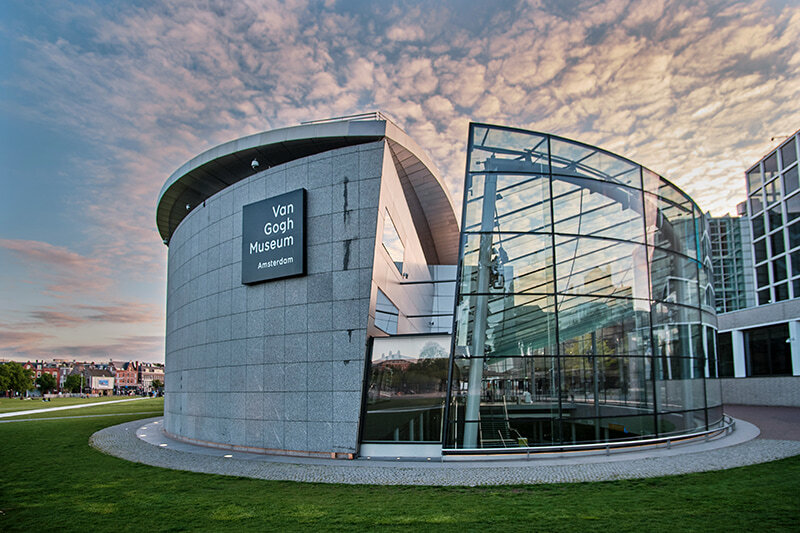
The Van Gogh Museum follows the life and artistic journey of Vincent van Gogh through the paintings, drawings, and letters he left behind. Rather than focusing only on his most famous works, the museum shows how his style developed over time and how different experiences, places, and relationships influenced his art.
Many educational art trips include the Van Gogh Museum because it brings together so much of the artist's work in one place. Visitors can move from early sketches and studies to some of his most recognisable paintings within a single visit.
Kunsthistorisches Museum
Home to one of Europe's most important art collections, the Kunsthistorisches Museum brings together Renaissance masterpieces, classical antiquities, and artefacts from ancient civilisations. The collection was built by the Habsburg dynasty and includes works that were gathered over generations by emperors, rulers, and members of the royal court.
Moving through the galleries, students will encounter everything from religious paintings and royal portraits to objects from ancient Egypt, Greece, and Rome. The collection brings together objects from different periods and places, allowing students to move between ancient civilisations, European history, and later artistic movements in a single visit.
Choosing the Right Museum for Your Students
There is no single museum that is right for every group. The most successful visits are usually those that match the age of the students, the subject being studied, and the goals of the trip.
If you're looking for support planning your next school trip, contact us. With more than 40 years of experience organising educational travel, Interschool Travel can help you choose the right destination, build an itinerary, and create a trip that supports your learning objectives while giving students an experience they'll remember long after they return to the classroom.
 Back to Blog
-image(700x470-crop).jpg)
.jpg)
.jpg)