
.jpg)
.jpg)
Choosing the right educational trip is not just about finding somewhere interesting to go. It should start with the subject, the students, and what they would benefit from seeing or experiencing outside the classroom.
Some topics are harder to understand when they only stay on the page. A visit to the right place can give students more context, whether they are exploring history, geography, science, languages, art, or another subject.
This article looks at how to choose an educational trip that fits your subject, supports your learning goals, and helps you connect school trips to curriculum goals in a more purposeful way.
Identify What Students Struggle to Learn in the Classroom
Before choosing a destination, it helps to notice where students start asking the same kinds of questions. Sometimes they might be able to repeat the timeline, define the process, or answer the exam-style question, but still not fully understand what it means beyond the lesson.
A good starting point is to look at the kind of understanding students are missing. Is it the setting? The scale? The process? The human impact? That difference matters because it can point you towards the type of trip that would actually help.
For example:
- If students struggle with scale, they may need to stand in a place that shows the size of an event, landscape, building, or environment.
- If they struggle with process, they may need to see something happening in real time, such as erosion, production, conservation, or scientific investigation.
- If they struggle with human context, they may need to visit a place where they can connect the subject to real people, decision, consequences, or lived experiences.
For a history class studying the First World War, this might mean choosing a visit that helps students understand the scale and human impact of what happened, not just the dates and events. Carefully planned history school trips can help students connect the lesson to real places, stories, and consequences.
This makes the decision more focused. Instead of choosing a destination because it is popular or easy to sell to students, you are choosing it because it answers a specific gap in their understanding.
Match the Trip Experience to the Subject

Once you know what students are struggling to understand, the next step is to choose a trip that fits the lesson itself. The destination should not feel random or only chosen because it is popular. It should connect with what students have already seen in textbooks, maps, diagrams, or classroom discussions.
If students are learning about ancient Roman society, for example, a visit to the Roman Forum can help them see how public life was organised. The ruins are not just old structures to walk past. They show where political discussions, religious activities, trade, and daily life once happened. For students, it can feel more exciting because they are finally standing in a place they have only seen in textbooks, slides, or classroom discussions.
The same thinking applies to subjects like geography, where well-planned geography trips can help students connect maps, diagrams, and key terms to real landscapes.
That is what matching the trip to subject means. You are choosing an experience that gives students a clearer version of what they have already started learning in class, not just a place that looks good on an itinerary.
Consider How Students Learn Best
Once the subject link is clear, think about how your students are most likely to take the information in and use it afterwards. Some groups learn better when they have something to look for during the visit, rather than just listening and trying to remember everything.
This is where simple preparation can help. You might give students a few questions to answer, a short observation task, or a small quiz they can complete during or after the trip. It does not have to feel like extra homework. It can be something that turns the visit into a challenge, a group activity, or a way for them to prove what they noticed.
For science-based subjects, choosing the right scientific trip locations can also give students more chances to observe, test ideas, and apply what they have learned in a practical setting.
Choose Destinations That Extend Learning Beyond School
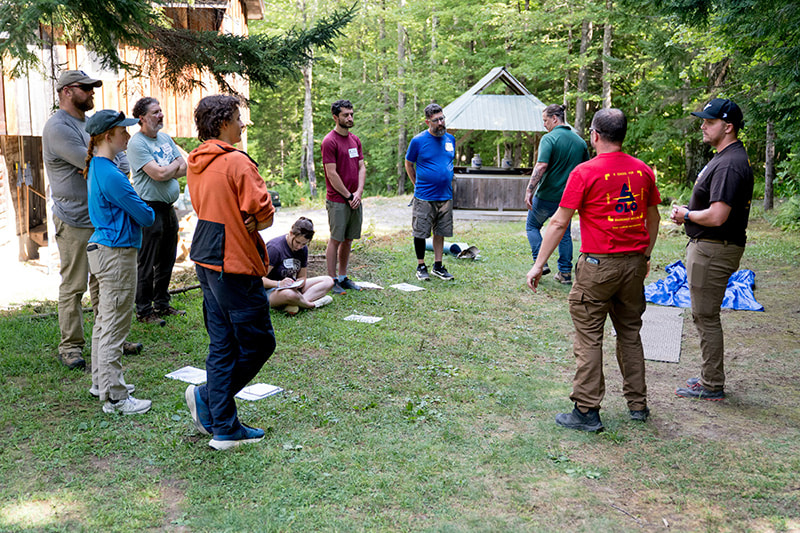
A good destination should offer something students cannot fully get from the classroom. It should not only match the topic, but also add more context, depth, or real-world connection to what they are learning.
When looking at possible destinations, it helps to ask:
- What can students see there that they cannot fully understand from a textbook?
This could be the size of a historical site, the layout of a city, the structure of a building, or the physical features of a landscape.
This could be the size of a historical site, the layout of a city, the structure of a building, the physical features of a landscape, or the details of a piece of art that are difficult to appreciate on a screen. For creative subjects, art school trips can help students study scale, materials, technique, and visual detail in person. - What can students experience there that makes the subject feel more real?
For language students, this might mean hearing the language used in shops, streets, restaurants, or guided activities. For performing arts students, it could mean watching a live production or joining a workshop. - What can students bring back into the classroom afterwards?
A strong destination should give them something to discuss, compare, write about, analyse, or use in future lessons.
This makes the destination more than just a place to visit. It becomes part of the learning process, giving students a wider view of the subject than the classroom can offer on its own.
Look for Experiences That Strengthen Understanding
Once the destination feels right, look closely at what students will actually do there. This is where the trip can either become a meaningful learning experience or just a visit to a relevant place.
A strong educational trip should include activities that help students engage with the subject more actively. This might be a guided tour, workshop, fieldwork task, museum session, performance, Q&A, or hands-on activity. The point is to give students a way to think, ask, compare, and apply what they already know.
The experience should strengthen the lesson, not just fill the itinerary. If students come away with something they can explain, question, or use later in class, the trip has done more than simply take them somewhere new.
Planning an Educational Trip With Purpose
The right educational trip should do more than take students somewhere new. It should help them understand the subject more clearly, ask better questions, and see how their lessons connect to the world outside school. Whether the focus is history, geography, science, languages, art, or another subject, the strongest trips are the ones chosen with a clear learning purpose from the start.
Interschool Travel has helped schools plan educational trips across Europe and beyond for over 40 years. If you need support choosing a destination, shaping an itinerary, or finding a trip that fits your subject, contact our team and we’ll help you plan an experience that feels useful, memorable, and right for your students.
 Back to Blog
-image(700x470-crop).jpg)
.jpg)
.jpg)