
.jpg)
Are You Ready to Start Your School's Next Big Adventure?
Our team of experienced curators are available now to answer any of your questions or to put together a quote for you.
Updated on: 18th March 2026
Visiting the Northern France battlefields shows students things a textbook can’t quite capture—a reminder of why school trips are important in helping learning feel real and grounded. Seeing the landscapes and memorials for themselves helps them understand the size of the wars, the stories behind the names, and why we continue to mark remembrance.
In this article, we’ll look at why these sites continue to play such an important role in helping young people connect with the past in a meaningful way.
Why Remembrance Still Matters for Students
Remembrance gives students a bit of context for why the world wars still matter. For many schools, visits like this support wider history school trips, helping students place what they’ve learned in class into a real-world setting. It helps them see that the wars affected ordinary people in ways that went far beyond the fighting. And when they stand in the places linked to that history, remembrance doesn’t feel like a box to tick. It feels more real, and it helps them understand why we still talk about cooperation and peace.
How Battlefield Visits Bring History to Life
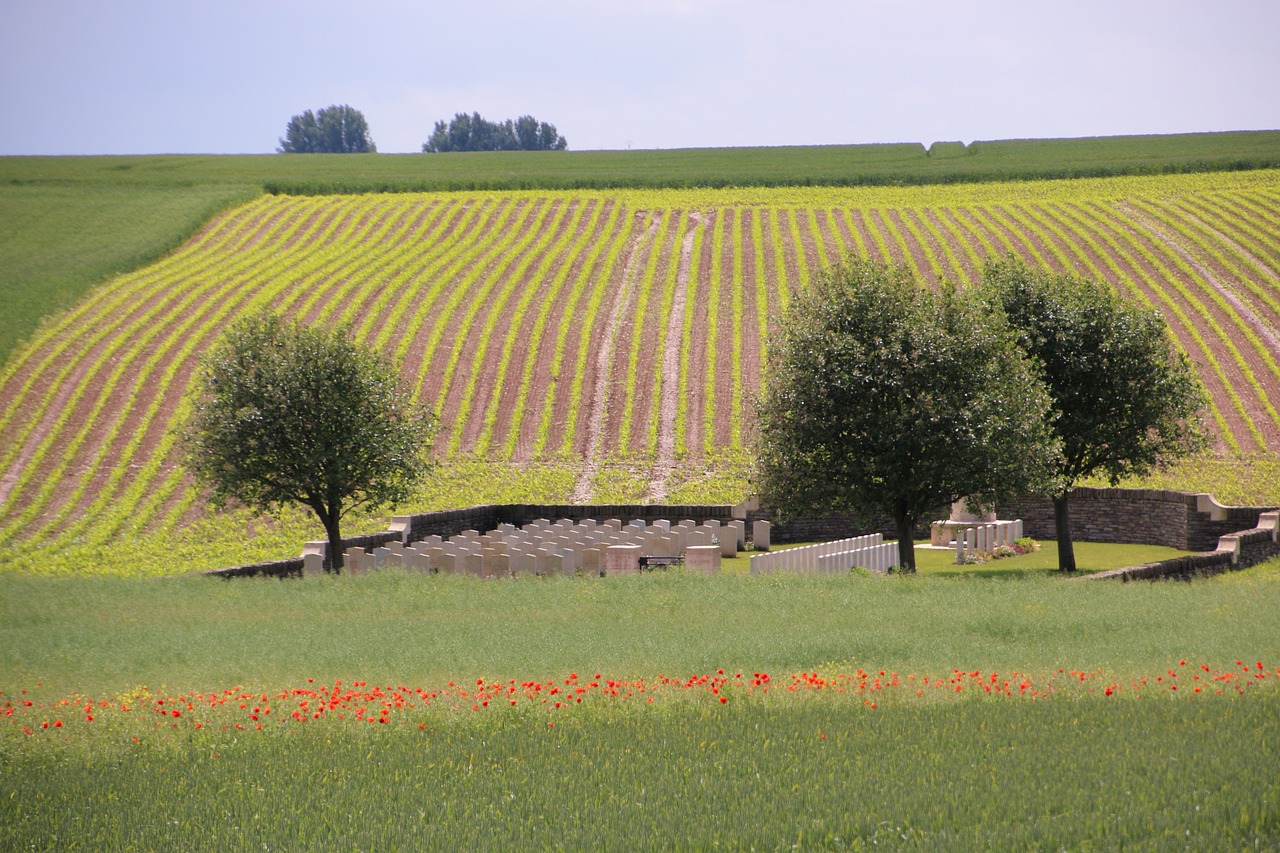
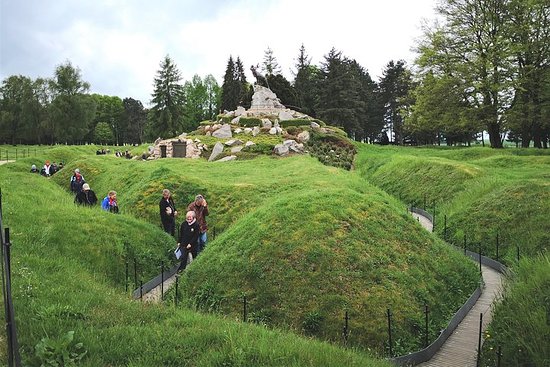
Seeing the sites first-hand helps students understand their lessons in a more practical way. Sites like the Somme, Thiepval, Vimy Ridge, and Arras give them a real feel for the landscape, scale, and conditions that shaped the wars. Standing in these places makes it easier to understand trench systems, military strategy, and the impact of loss on communities across Britain and beyond.
The Cultural and Human Stories Students Discover
Trips usually include time in local museums and nearby towns as well as the main battle sites. These places show how the war reached beyond the front lines and offer perspectives that aren’t always covered in class.
Reflection and Remembrance on Site
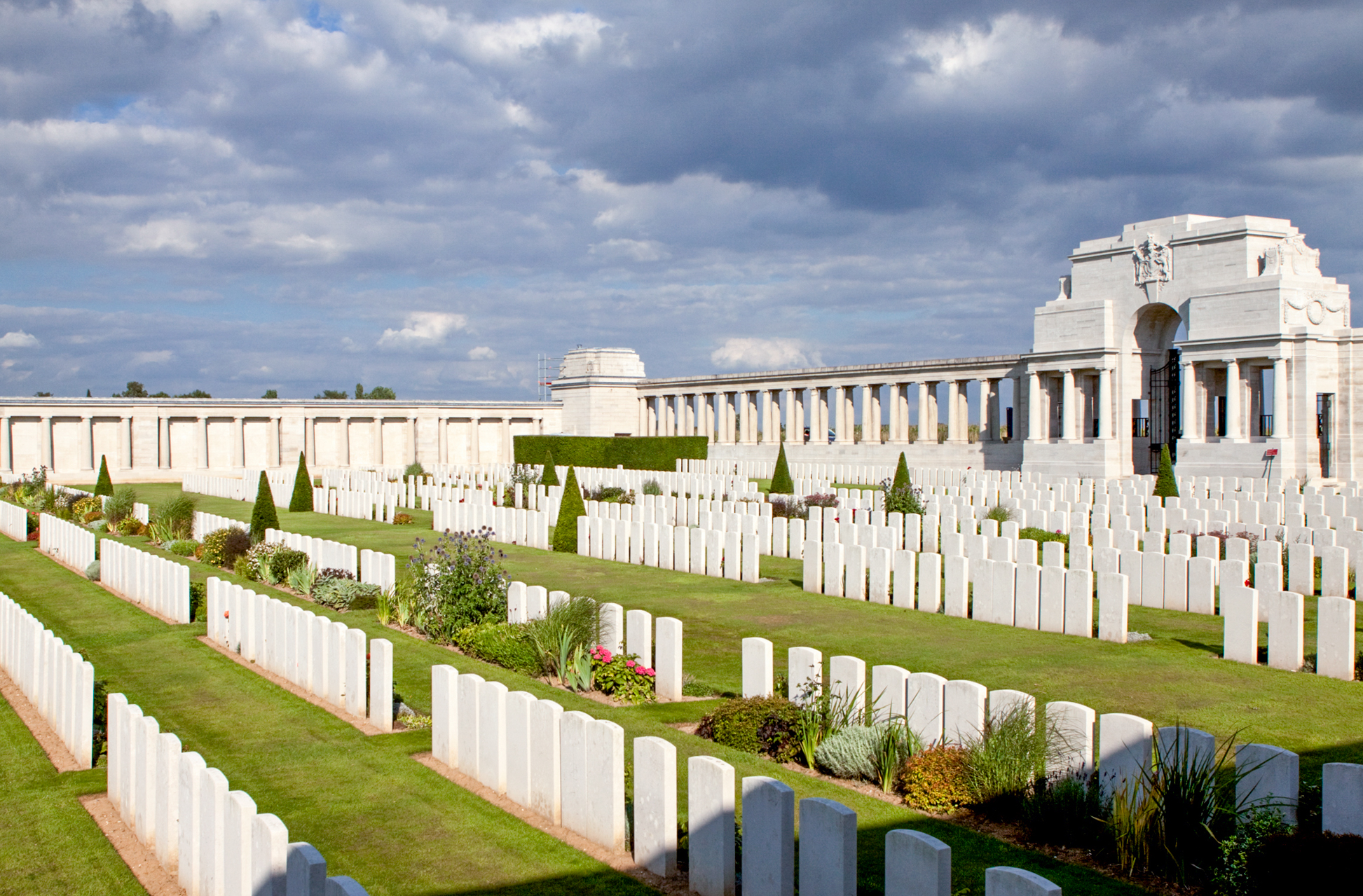
Cemeteries and memorials are often the part of the trip students remember most. Walking through them is different from reading about the war in class. Seeing the number of names, many with no age listed, makes the scale of loss clearer without anyone needing to explain it. When groups visit places like Thiepval Memorial, students tend to go quiet on their own.
Helping Students Build a Personal Connection to History
Visiting the battlefields lets students see places they’ve only read about before. Trenches, memorials, and open ground give a clearer sense of how the fighting happened and how large the areas were. Trips like this sit alongside other historical trips for school groups, where real locations help students engage more deeply with the past.
A Practical Planning Checklist for Teachers
Planning a battlefield trip takes a bit of organisation, but starting early makes everything run more smoothly. Here are a few key steps to guide your planning:
Align the trip with your curriculum
Choose sites that support your current modules, such as WWI depth studies or broader conflict topics.
Get SLT approval early
Share your learning aims, proposed dates, and a rough itinerary to secure approval before moving ahead.
Plan your key visits
Some of the best-known battlefield sites, including the Somme, Thiepval and Vimy Ridge, are included on a lot of school itineraries each year. On busy dates, that can mean limited entry times or having to adjust the order of visits. Many of these visits form part of wider school trips to France, where travel time and site access need to be planned carefully.
Prepare risk assessments and parent information
Once dates, transport and accommodation are confirmed, it’s much easier to put together parent information and permission forms without having to revisit them later.
Set a comfortable pace for each day
Battlefield days often involve early starts, travel between sites, and a fair amount of walking. Days that include several cemetery visits usually run more smoothly when there’s some flexibility in the schedule.
Final Thoughts
A visit to the Northern France battlefields gives students a clear, grounded understanding of the world wars, with sites that bring major events and personal stories into focus. Seeing the sites in person makes the topic easier to understand than learning about it only in class.
Planning a trip doesn’t have to be complicated. With over 40 years of experience supporting schools across Europe, Interschool Travel handles the key details—from travel and accommodation to visit bookings—so you can focus on your students.
If you’re considering a battlefield trip, get in touch and we’ll help you put together a visit that’s smooth, meaningful, and built around learning.
 Back to Blog
-image(700x470-crop).jpg)
.jpg)
.jpg)