
.jpg)
Updated on: 27th May 2026
Planning a school trip that brings together Judaism, Islam and Christianity isn’t always easy. Most destinations focus on one tradition, so students usually end up learning them separately, rather than seeing how they connect in real life.
That is where Istanbul starts to make more sense.
So why choose Istanbul? Because within a relatively small area, students can visit mosques, churches and synagogues that reflect different periods of history, often within the same day. It makes the learning feel more connected, and easier to follow in practice.
For Religious Education, this creates a clearer structure for the trip. Instead of jumping between topics, students begin to understand how these religion developed alongside each other.
In this guide, we will explore key places across the city and what students can take from each visit, helping you plan a trip that feels organised, relevant and meaningful, especially when you need to connect school trips to curriculum goals.
Why It Works for Religious Education Trips
Istanbul works well for Religious Education because students can experience Judaism, Christianity and Islam within the same setting rather than as separate topics. Visits to places like the Hagia Sophia, where Christian and Islamic elements exist in one space, or the Blue Mosque, where students observe Islamic practices first-hand, make the learning more tangible.
These sites are close together, particularly around areas like Sultanahmet, which makes it easier to plan visits in a way that feels connected. Students move between locations and start to recognise how these religions developed alongside each other, shaped by the same history and environment.
Key Sites for School Trips in Istanbul
These sites give teachers a practical way to structure visits while keeping learning connected. Each place offers something a bit different, and over time you start to see how religion, history and daily life all fit together across the city.
Hagia Sophia (Christianity & Islam)
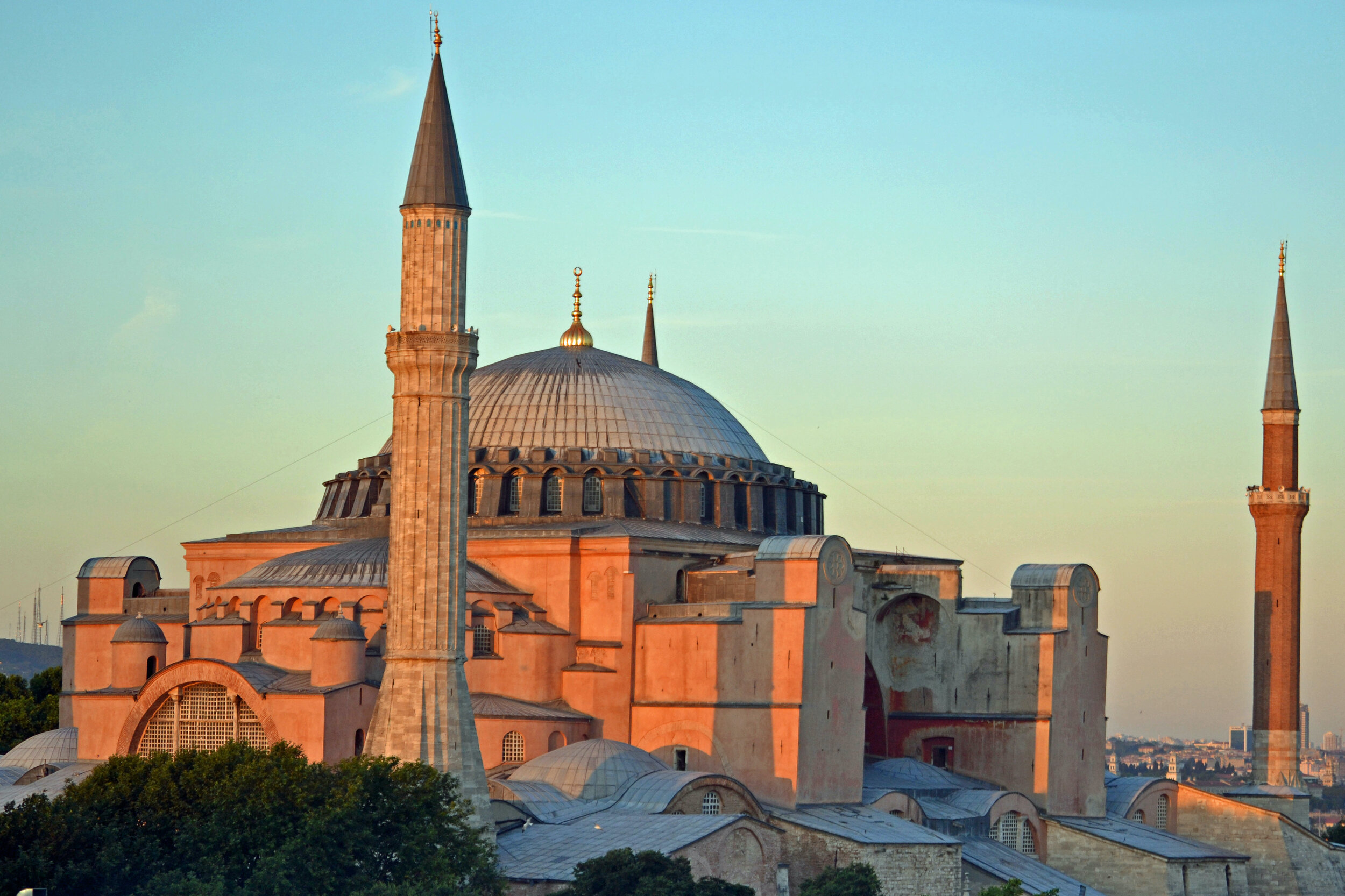
The Hagia Sophia is one of those places where students can see how a building has changed meaning over time. It was originally a cathedral, then later became a mosque, and you can still see both influences inside, from Christian mosaics to Islamic features.
Being in that space makes it clearer for students. It’s not just something they read about—they can see how religion shifts within the same place, across different periods
Blue Mosque (Islam)
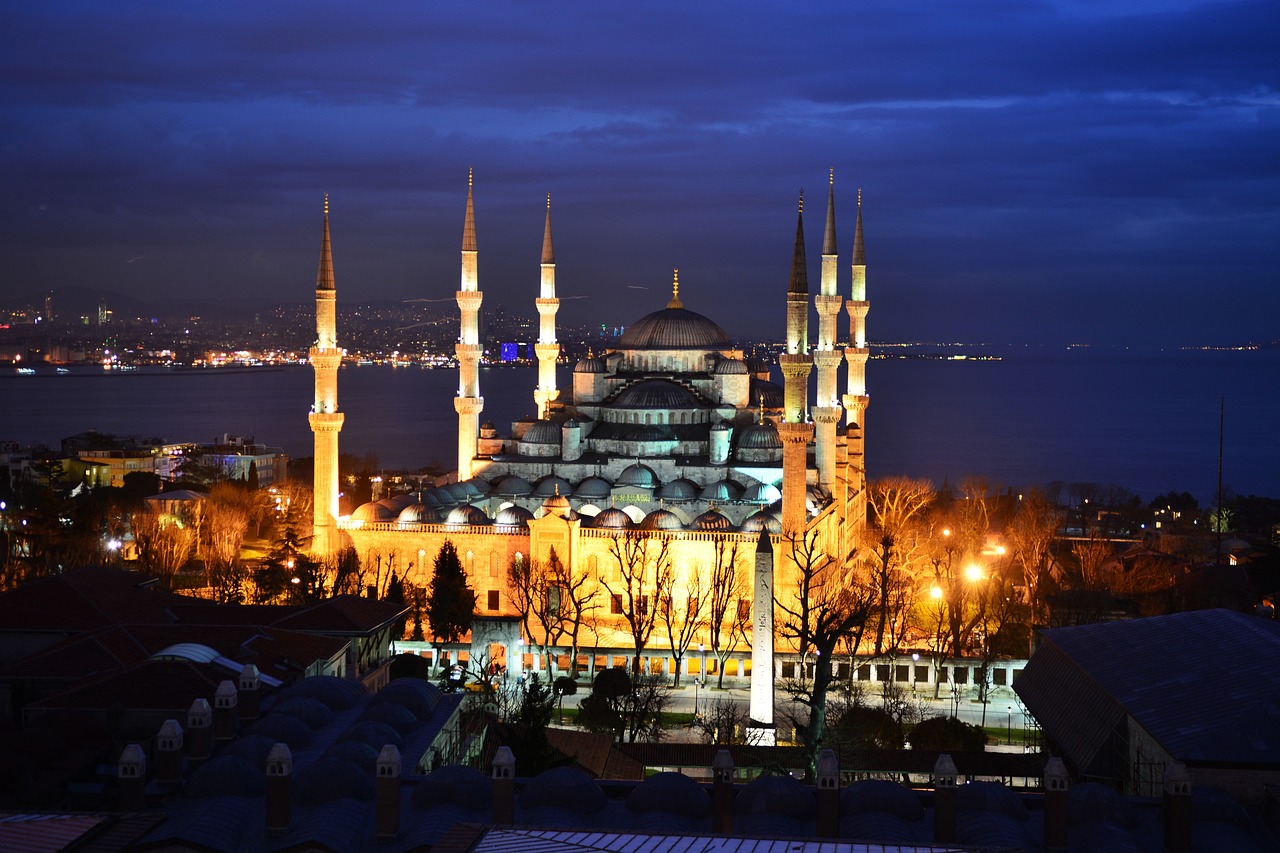
At the Blue Mosque, students can see Islamic practices in a real setting. Entry requires shoes to be removed and modest dress to be worn, which helps students recognise how belief shapes behaviour and space. The scale and design of the mosque also reflect its importance within daily life, rather than just as a landmark.
Jewish Heritage (Judaism)
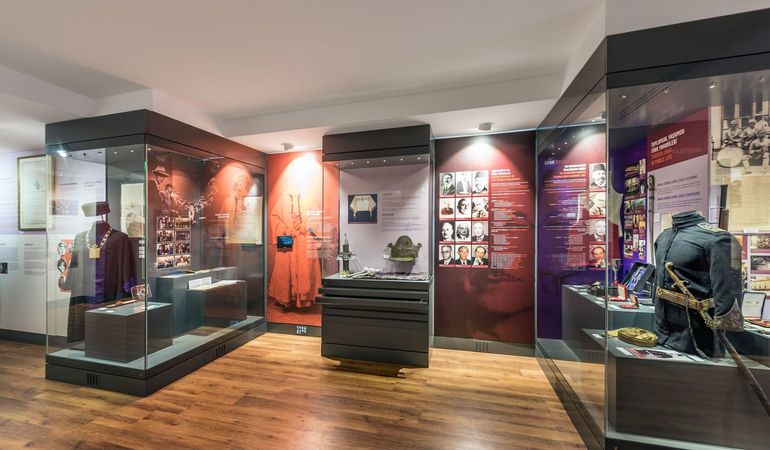
For teachers planning religious studies trips, visiting synagogues such as Neve Shalom changes how students see Judaism. It makes more sense when they see it in the same place as other religions. That shift makes a difference, especially when they’re used to studying each belief on its own.
Over time, it also becomes clearer how Jewish communities have adapted and continued in a predominantly Muslim setting. Being there adds context that’s difficult to get from a classroom alone.
Bosphorus Strait (Geography and Cultural Connection)
For school cultural trips, the Bosphorus offers a clear visual of Istanbul’s position between Europe and Asia. This helps students connect geography with the city’s role as a meeting point of different cultures and beliefs. It also gives context to why Istanbul became a place where different religions developed alongside one another.
Planning a School Trip to Istanbul
Planning a trip to Istanbul works best when you keep the itinerary focused and manageable. Most of the key sites are around central areas like Sultanahmet, so travel between visits is fairly straightforward. That makes it easier for teachers to structure each day without overloading students.
It is also worth considering the age group and pace of the trip. A 3 to 5 day trip is usually enough to cover the main sites while allowing time for reflection and discussion. Most groups will visit two to three key sites per day, depending on pace and travel time.
It also helps to balance structured visits with quieter moments, so students have time to take things in rather than moving too quickly from one place to the next. A bit of preparation beforehand makes a difference as well. Going over simple things like dress codes at mosques or how to behave in places of worship can make visits run more smoothly on the day.
If you're planning a school trip to Istanbul and want to talk through your options, you can get in touch with our team at Interschool Travel. With over 40 years of experience supporting schools, we're here to help you plan something that works in practice.
 Back to Blog
.jpg)
.jpg)
.jpg)