
.jpg)
Maths can be one of those subjects that students understand in class but struggle to connect to real life. A school trip can change that by giving them new surroundings to explore and creating moments where learning feels more relaxed and open. Once they are curious and engaged, it becomes easier for teachers to introduce skills in a way that feels natural instead of formal, the way it often does in the classroom.
In this blog, we look at how well-planned trips can strengthen numeracy in a way that still meets curriculum aims, something schools often explore when connecting their trips to wider learning goals.
Why Maths School Trips Work
Maths feels different when students use it to understand the world around them. Give them a map, a route to follow, or a simple investigation outdoors, and they start using numeracy without thinking of it as “doing sums.”
Teachers see this even more on school trips abroad. Moving through a new place creates plenty of small numeracy moments. They check prices, plan simple routes, estimate how long something might take, or look at scale on a map.
These experiences support your curriculum goals because students are applying maths in real situations.
Types of Maths School Trips That Inspire Students
There is no single "maths trip." Many schools find that the best experiences mix simple numeracy tasks with real exploration.
Local Geography Walks
A short walk near school can offer plenty of quick maths moments. Students read simple maps, compare distances, estimate time, or collect small bits of data. The same skills show up on larger trips too. When you bring your students on school geography trips to Switzerland, they use maths in a similar way through map work, simple measurements, and quick checks on distance and time—just in a more exciting setting.
Interactive Museums and Discovery Centres
Hands-on spaces help students notice patterns, shapes, and basic problem-solving without any pressure. Many exhibits naturally encourage estimating, measuring, or comparing information, which strengthens numeracy in a subtle way.
Landmarks and Real Environments
Markets, parks, stadiums, or even busy town centres give students small tasks that feel real. They might track costs, measure an area, count features, or make quick decisions as a group. You see the same practical skills on school geography trips, where students use simple numeracy to make sense of the places they’re exploring.
How Trips Boost Numeracy Skills in Practice
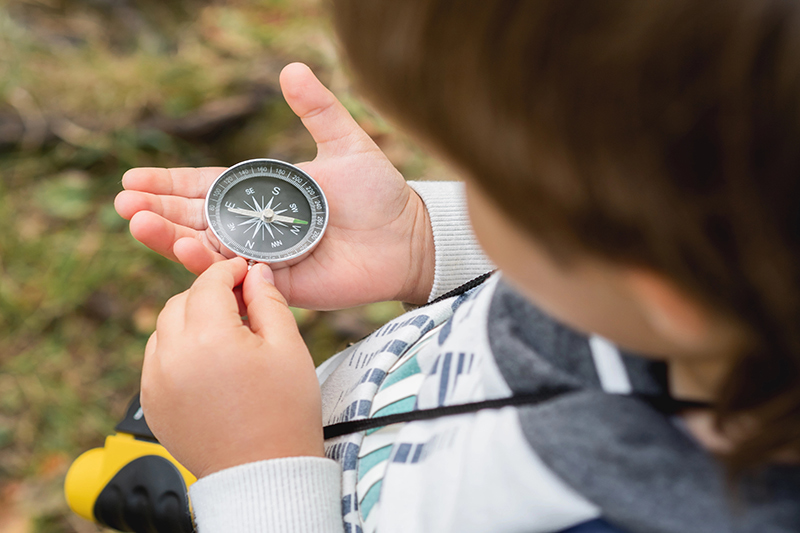
Numeracy settles in more easily when students get to use it in simple, everyday situations. On a trip, they make small decisions without realising they’re practising maths. They figure out how long something might take, look at what makes sense, or choose a route together.
Working in groups helps a lot. Students talk things out, try different ideas, and decide what feels right. The mix of moving around and solving small problems together gives them a clearer understanding than anything they would do on paper.
This fits well with how school trips connect to curriculum goals, showing how simple moments outside the classroom can reinforce everyday learning.
Tips for Teachers Planning a Maths School Trip
A successful maths trip is all about balance—it should feel exciting for students while still meeting curriculum goals. A few simple strategies can make planning easier:
- Match trips to your students' age: Younger pupils usually enjoy puzzles and hands-on measuring, while older ones can take on tasks like budgeting, data collection, or even a bit of statistics.
- Link the trip to classroom learning: Give your students a quick rundown before the trip, then follow it up with a small task or project to build on what they picked up.
- Add reflection tasks: Have students take down small things they spot along the way, and later talk about how those moments connect to everyday maths.
By working these ideas into the trip, you give students real chances to build their numeracy skills while enjoying a break from the usual classroom setup.
Ready to Plan Your Next Maths Adventure?
A maths trip can be the moment things finally make sense for your students. Maybe it’s timing a rollercoaster, solving puzzles, or working out costs at a market. Those moments stick.
If you’re thinking about planning one, we can help. Interschool Travel has been organising school trips for over 40 years, taking care of everything from travel and accommodation to the activities themselves.
Reach out today and we’ll help you plan a trip your students won’t forget, the kind that makes learning stick.
 Back to Blog
.jpg)
.jpg)
.jpg)